By Sarah Macklin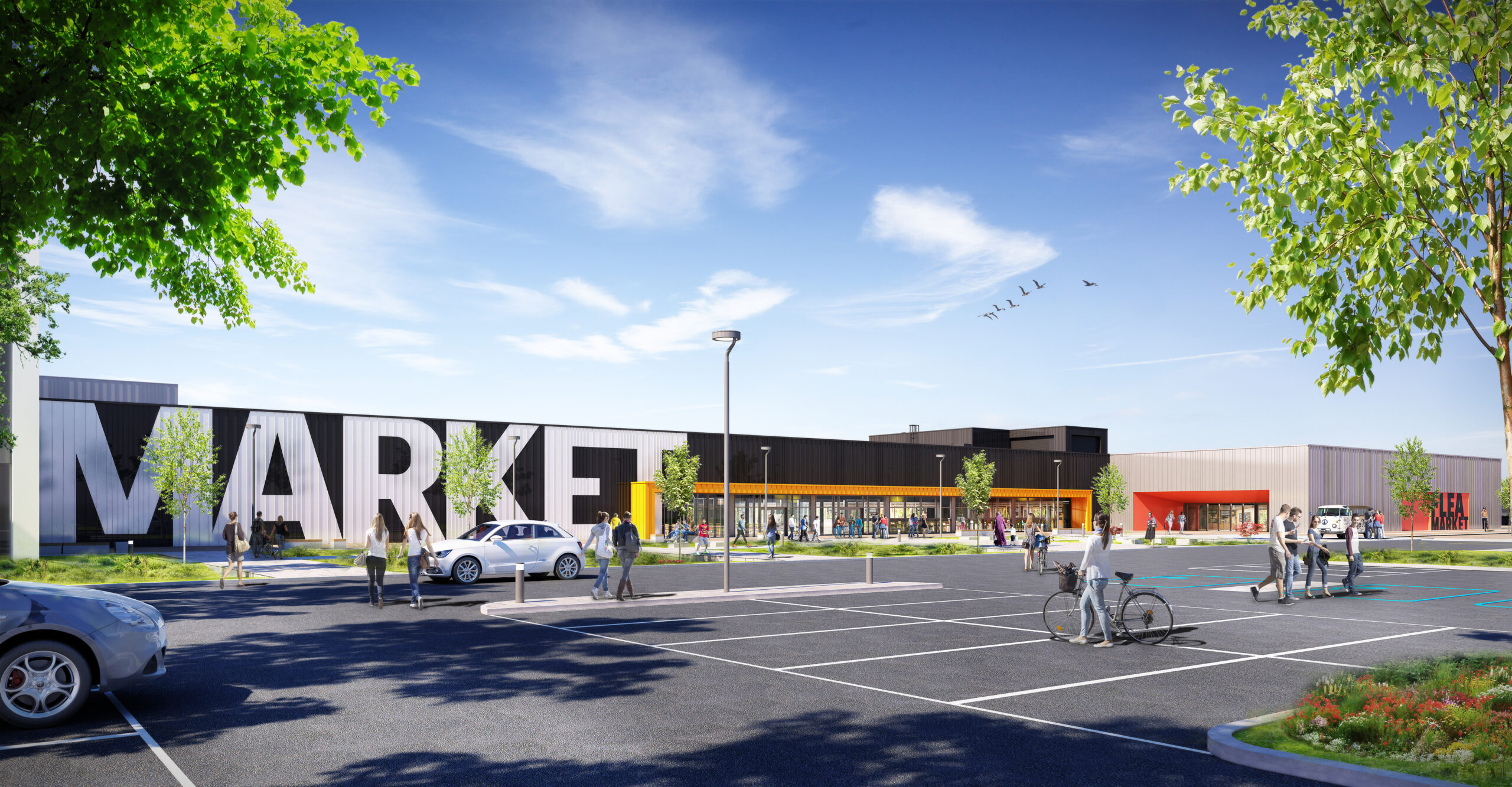
Ellesmere Port Market is steadily shedding its old look and gearing up for a bold new chapter.
Part of a £13m town‑centre regeneration project funded by the Levelling Up Fund, this scheme is about modernising and improving a key local asset, that will in turn help to boost footfall in the town centre and create a more vibrant community hub.
What exactly is happening as part of the market regeneration?
The idea driving the transformation has been shaped by extensive conversations with traders, shoppers and residents. What came out of those early consultations was a desire to keep the traditional market feel while making the space more welcoming, more flexible and more sustainable. The council’s formal plans aim to improve both the market’s function and appearance, inside and out.
At its heart, the scheme is about creating a place that feels more than just rows of stalls. It’s a meeting point, a destination, and a space that can adapt to different activities and events without losing its core identity as Ellesmere Port’s market.
What is being built (and when)?
Work on the market itself is part of a larger regeneration programme that also includes new walking, wheeling and cycling links and town‑centre housing site preparation. But here’s what’s happening inside and around the market.
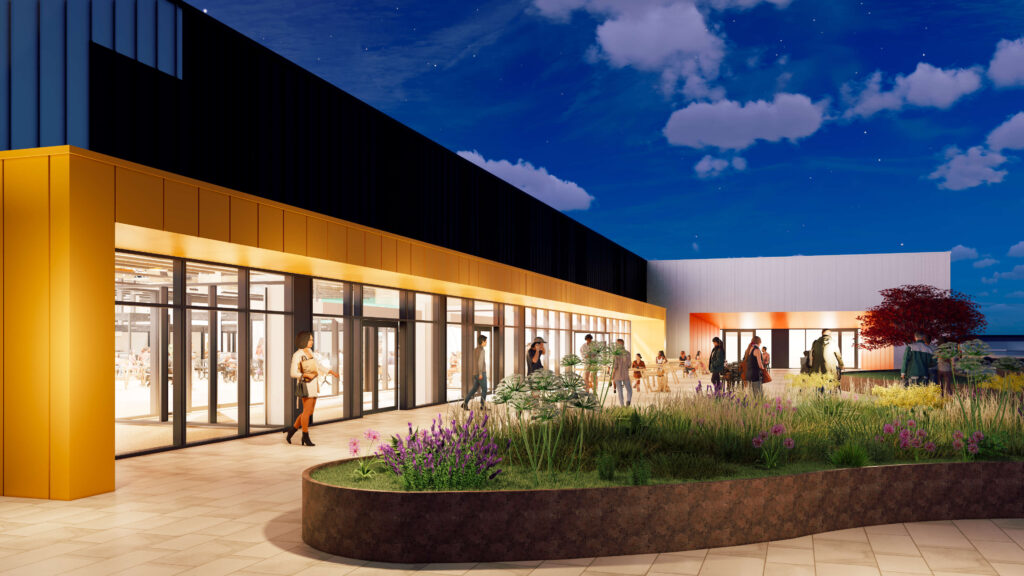
Externally, the building is being clad with attractive, modern panels that improve insulation and make the whole place much more of a visual focal point. The entrances are being redesigned with bold colour accents inspired by a 1970s Vauxhall paint chart — namely warm Sunspot yellow and Tasman orange — linking the market’s look back to local industrial heritage. New canopies and improved signage are part of this exterior facelift too.
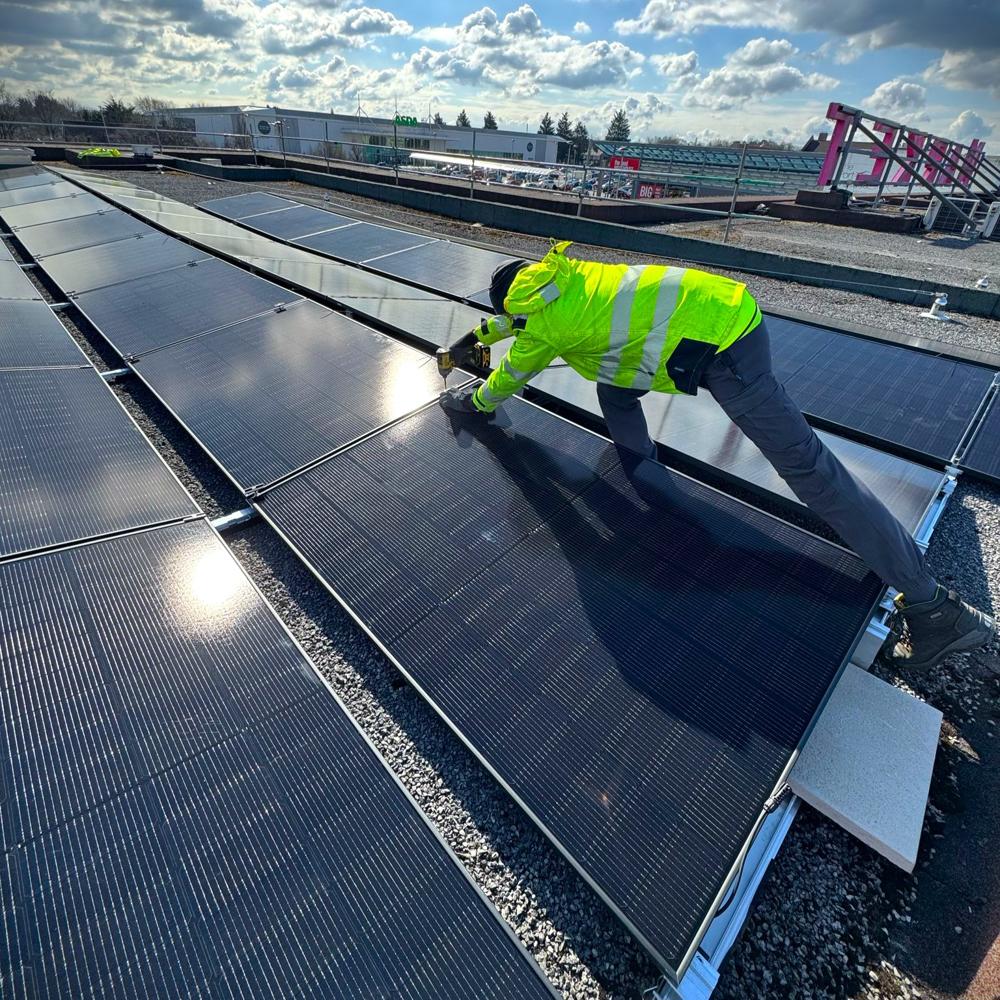
To make the building as eco as possible, 242 solar panels have been installed on the roof and are already generating renewable energy, enough to power many homes and significantly cutting carbon output. These will provide the market with over 80,000 kWh of renewable green energy annually, enough to power around 25 homes for a year. The panels will also offset over 18 tonnes of CO2 each year.
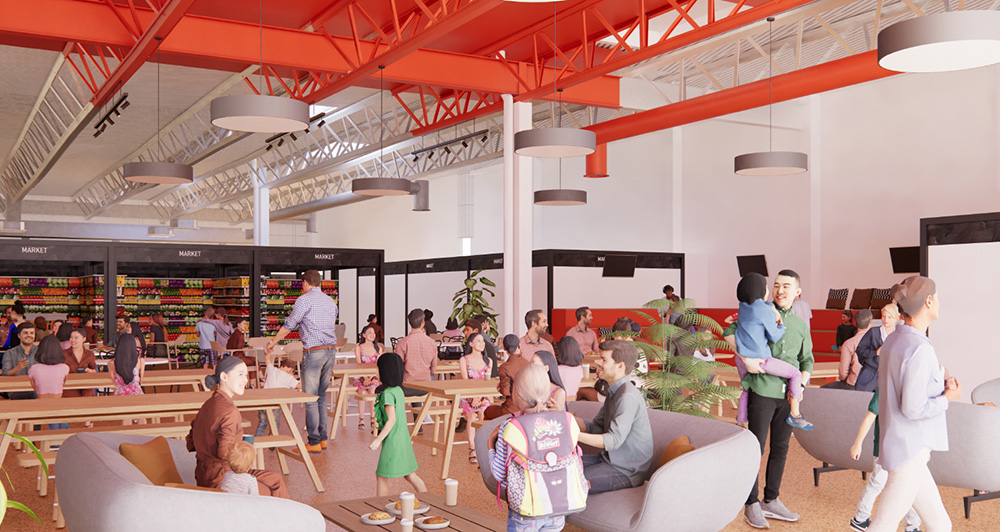
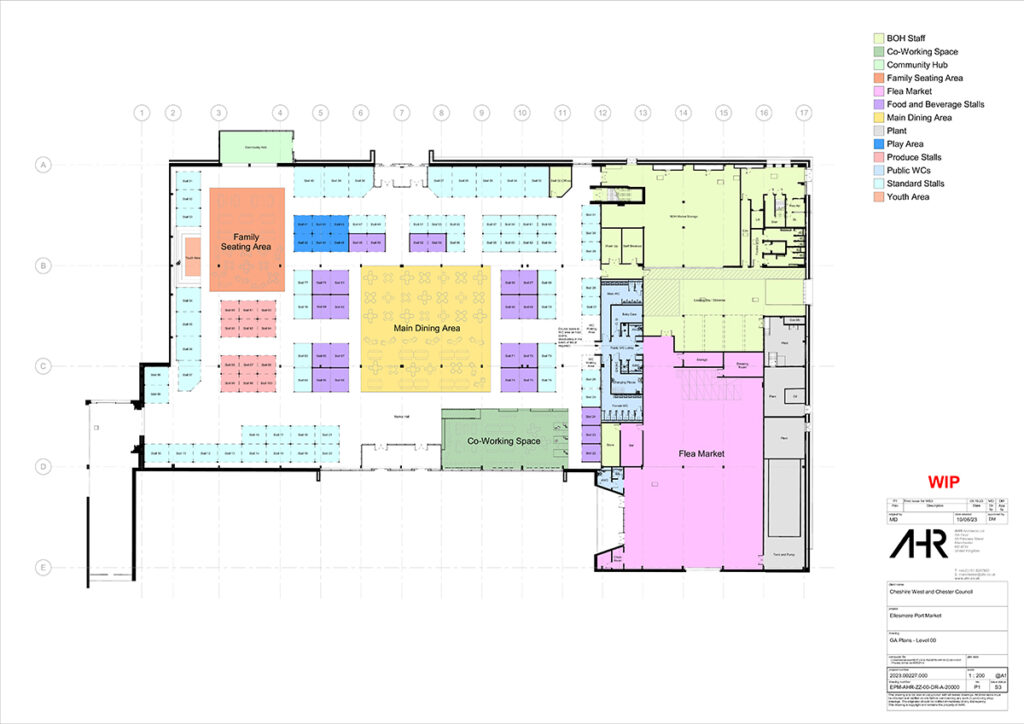
Inside, the layout is being reconfigured to make navigation easier and improve how people move through the space. Already planned are improved seating areas, better circulation around stalls, free public Wi‑Fi and refurbished public toilets that include changing facilities, making the market more accessible for disabled visitors and carers. There’s also a returning children’s play area and allocated youth and community zones.
One of the biggest changes is to the existing Flea Market area. Instead of its current use, this space will become a flexible event space with its own dedicated entrance, allowing it to host specialist markets, pop‑up events or functions even when the main hall isn’t open.
What’s the current timeline for the works?
The plans for the new market have been in place for a couple of years now, with public input shaping the proposals at every stage. Here’s what has happened so far:
- In Spring 2023, traders and locals were consulted on early ideas
- By Autumn 2023, detailed plans went on public display and a planning application was submitted
- In March 2024, planning permission was granted, so works could begin
- Works began in mid-May 2024, starting with the removal of old external canopies.
Construction has continued through 2025 with a phased programme that keeps parts of the market open for businesses and shoppers as work proceeds.
When will the new Ellesmere Port market be finished?
According to council progress updates, the aim is for core market hall work — interior and exterior — to be completed in 2026.
What does this mean for the day-to-day running of the market?
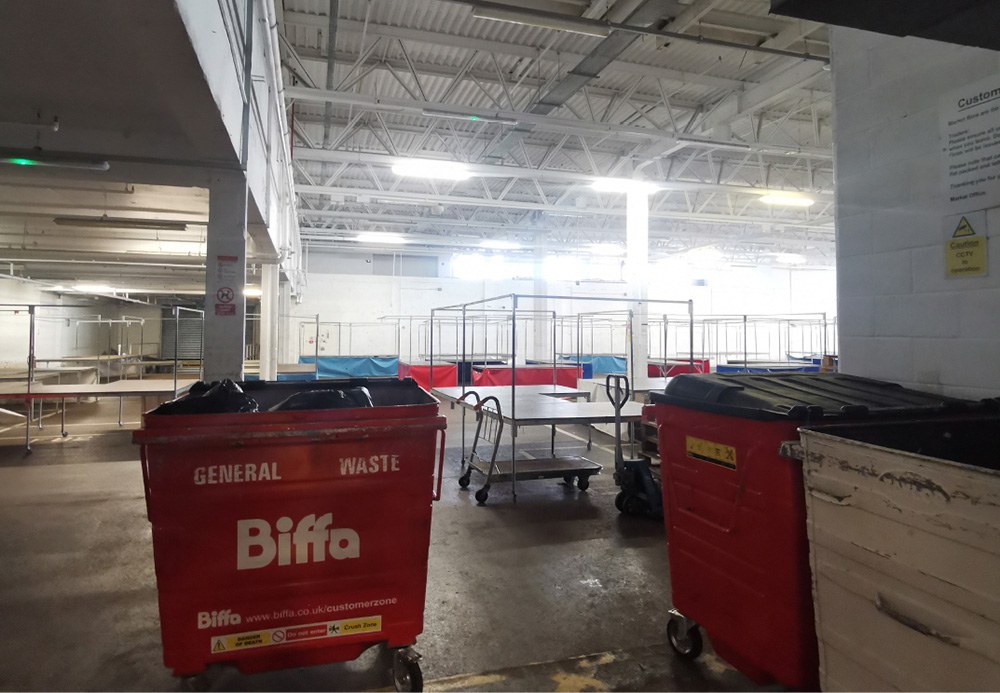
There’s been no wholesale closure of the market while this happens. Instead, phases of work have meant parts of the building (including key entrances) are temporarily closed, but the remaining entrances are signposted clearly and stalls are relocated as needed. Traders have been guaranteed their space both during and after the transformation.
Local signage, temporary layouts and clear directions help customers find traders and facilities during the works, and the council has emphasised that keeping the market open has been a priority.
Why is the new market so significant for the town?
The market regeneration project is part of a wider scheme to improve Ellesmere Port town in general. Good pedestrian and cycle connections are being built from the railway station into the town centre, complete with dedicated cycle parking. The scheme also dovetails with plans to clear sites for new low‑carbon housing, bringing more people into the heart of Ellesmere Port and boosting local activity.
Ultimately, what’s being created is a space that supports local traders, welcomes visitors and gives the town centre a bit of personality and pulse. It still feels like a market at its core, but with room for more community use, flexible events and facilities that make the space more functional and enjoyable for everyone.