
 By Sarah Macklin
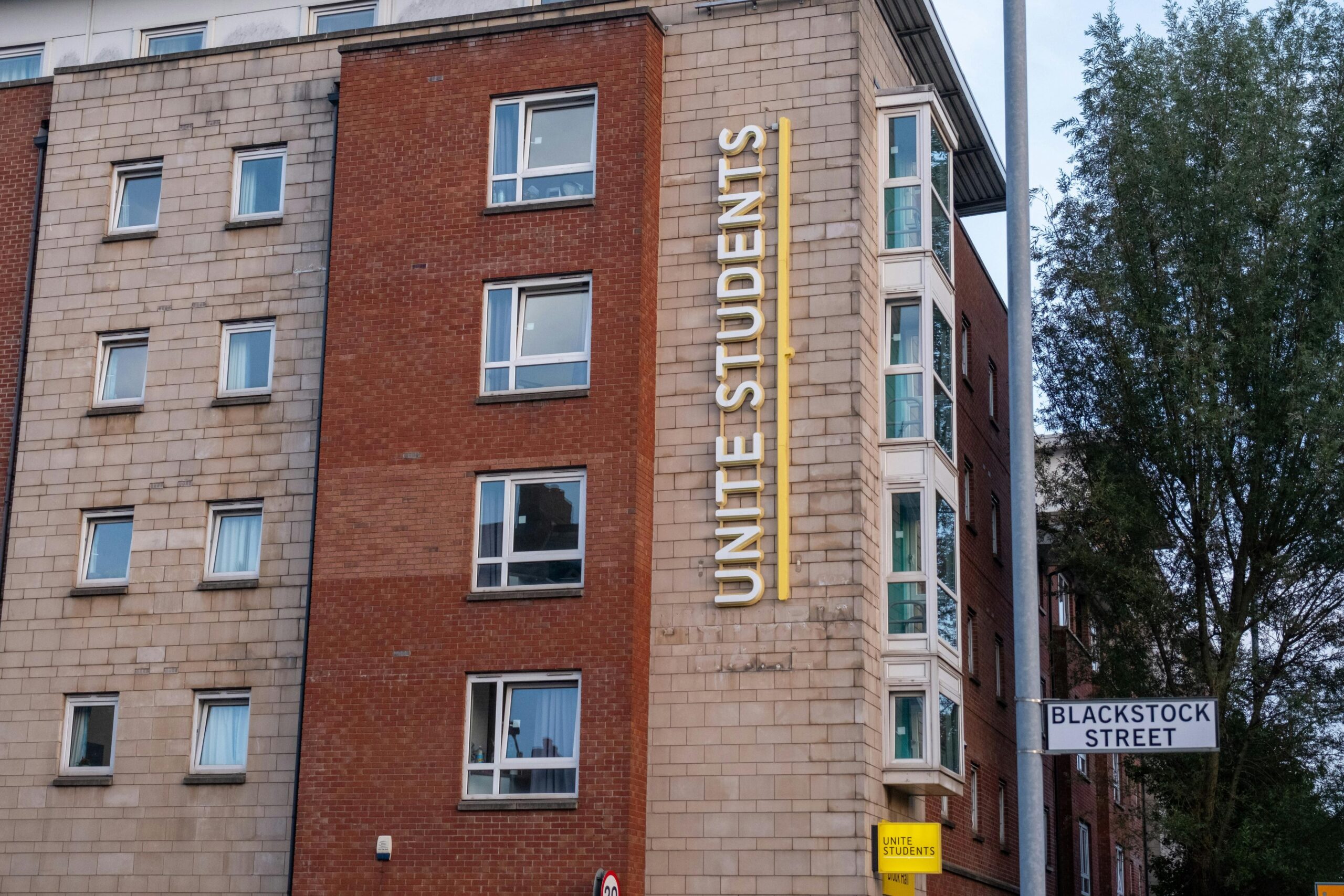
Choosing where to live during university is one of the biggest decisions students face. The two main options are usually on-campus dormitories or off-campus student housing. Both come with unique benefits, challenges, and costs, and the choice often depends on your lifestyle, budget, and academic needs.
This guide breaks down the pros, cons, and cost considerations of each option, so you can make an informed decision before signing a lease or accepting a dorm assignment.
1. On-campus halls: the traditional student choice
Traditionally, many students choose to live on campus, at least in their first year. It makes sense, as it’s easy to get to your lectures and classes, and everyone else on campus probably does the same course as you. But there may be some drawbacks too.
Pros of on-campus halls
- Proximity to campus: Living right on campus means rolling out of bed and walking to class in minutes, no worries about traffic, parking, or long commutes.
- Community and social life: Dorms make it easy to meet new people, attend campus events, and be part of student life. For first-year students especially, this is a big advantage.
- Convenience: Utilities, internet, and sometimes meal plans are bundled into the housing fee. You won’t need to worry about separate bills.
- Support services: Resident assistants (RAs) and staff are on-site to provide guidance, enforce safety, and support students adjusting to university life.
Cons of on-campus halls
- Limited privacy: Dorms are usually shared spaces, think roommates, communal bathrooms, and busy common areas
- Rules and restrictions: Most dorms have quiet hours, guest policies, and stricter regulations that may feel restrictive
- Space limitations: Rooms are typically small, with limited storage and no kitchen access (meal plans often required)
- Costly meal plans: While convenient, mandatory meal plans can be expensive compared to cooking your own meals.
Example: A student at the University of Sussex might prefer student accommodation in Brighton that’s off-campus, as it can provide more independence while still being close to the seafront and city centre.
What are the costs of student halls (UK & Europe)
On-campus housing costs vary by university and dorm type, but generally:
- Average monthly cost (UK): £600 to £1,200 (€700 to €1,400) (usually includes utilities and sometimes meals)
- In big cities: London, Paris, and Dublin tend to be higher, sometimes matching or exceeding off-campus prices
- Extras: Meal plans can add around £1,800 to £4,000 (€2,100 to €4,700) per year, and may be mandatory at some universities.

2. Off-campus student housing
Pros of off-campus housing
- Independence: More freedom to set your own rules, cook meals, and live how you prefer.
- Variety of options: Apartments, shared houses, or purpose-built student accommodations (PBSAs) offer choices in size, price, and amenities.
- Better privacy and space: You can choose private bedrooms or even studios, often with your own bathroom and kitchen.
- Potentially lower costs: Depending on the city and how many roommates you have, off-campus living can be cheaper than dorms.
- Real-world experience: Managing bills, cooking, and handling landlords prepares you for life after graduation.
Cons of off-campus housing
- Commute: Living away from campus means budgeting time and money for transportation.
- Upfront costs: Security deposits, application fees, and furnishing the apartment add to initial expenses.
- Utilities and maintenance: You’ll need to manage rent, electricity, internet, and water bills separately. Repairs may also take longer than in on-campus housing.
- Less instant community: Meeting people requires effort; you won’t automatically have floor mates like in dorms.
Example: Many students at the University of Plymouth opt for Plymouth student accommodation off-campus, enjoying easy access to the city’s waterfront, shops, and nightlife while still being close enough for lectures.
Costs of off-campus housing (UK & Europe)
Off-campus housing costs vary widely depending on location, size, and amenities:
- Average monthly rent (UK): £450 to £900 (€525 to €1,050) per person (excluding utilities).
- Utilities: Add about £50 to £100 (€60 to €120) per month for internet, electricity, water, and heating.
- Food: Cooking at home is far cheaper than meal plans, averaging £150 to £250 (€175 to €300) per month.
- Transportation: Budget around £70 to £120 (€80 to €140) per month for public transport passes, depending on the city.
3. Side-by-side comparison
| Factor | On-campus halls | Off-campus student housing |
| Location | On campus, walk to class | Varies; may require bus, train, or bike commute |
| Cost | £600 to £1,200/month + meal plan (€700 to €1,400) | £450 to £900/month + utilities + food (€525 to €1,050) |
| Bills | Usually included | Rent + utilities managed separately |
| Privacy | Low (shared rooms, communal bathrooms) | Higher (private rooms, studios available) |
| Community | Easy to meet peers, join activities | Depends on roommates and neighbourhood |
| Rules | Stricter (curfews, guest policies, RAs) | Flexible; your rules (within lease terms) |
| Food | Meal plans (limited choice, higher cost) | Cook your own meals (budget-friendly) |
| Amenities | Study lounges, gyms, dining halls | Varies; PBSAs may include gyms & study rooms |
| Independence | Limited | High (budget, cooking, lifestyle control) |
4. Which type of student housing is right for you?
Now you have all the information you need, which type of housing will be right for you?
- Choose on-campus halls if:
- You’re a first-year student who wants to build connections quickly, avoid commutes, and enjoy a structured environment.
- Choose off-campus housing if:
- You value independence, want more privacy and space, or are looking for potentially cheaper long-term options with roommates.
Many students start their first year in dorms to ease into university life and then transition to off-campus housing for independence in later years.
5. How to save money on your student housing
Student housing can be pricey, no matter which option you choose. Below are just some of the ways you can save money:
- On-campus:
- Choose the most affordable dorm tier (double rooms are cheaper than singles, as are rooms with shared bathrooms compared to en-suites)
- Opt out of meal plans if allowed, or choose the smallest plan and cook simple meals
- Make the most of included amenities like free printing, gym access, and events.
- Off-campus:
- Split the rent with your roommates to reduce costs
- Track utilities with apps like Splitwise
- Use public transport or bike instead of owning a car
- Buy second-hand furniture or use university “free and for sale” groups.
Both on-campus halls and off-campus housing come with trade-offs. Halls offer convenience and a built-in community, but at a higher cost and with less privacy. Off-campus housing gives independence, more space, and long-term affordability, but requires budgeting and responsibility.
Ultimately, the “better” choice depends on your priorities, whether you value convenience and community or independence and flexibility. By weighing the pros, cons, and costs, you can choose the option that supports both your academic success and your student lifestyle.
How can amber help you?
amber helps you secure ideal student accommodation on your study abroad journey. Having served 80 million students (and counting), amber is your one-stop shop for all your accommodation needs. Download the amber app from the Google Play Store or App Store to book an affordable home for your adventure.
